Introduction
Ever watched a production line stall over a tiny misaligned lid and thought, “There has to be a better way”? I see that every week on factory floors, and the problem often starts small but costs real money. In many plants a lid applicator machine sits at the heart of the bottleneck — misfeeds, jams, and slow changeovers cost hours and eat yield. Recent shop-floor audits I ran showed uptime swings of 10–18% between well-tuned lines and the rest (that’s not trivial when your margin is thin). So what exactly breaks down: the hardware, the setup, the operator training, or all three? I’ll walk through what I’ve learned in plain terms, and then point to concrete fixes. (No jargon padding — just practical moves.) Next, I’ll examine where traditional approaches fail and what to watch for when you shop for better systems.
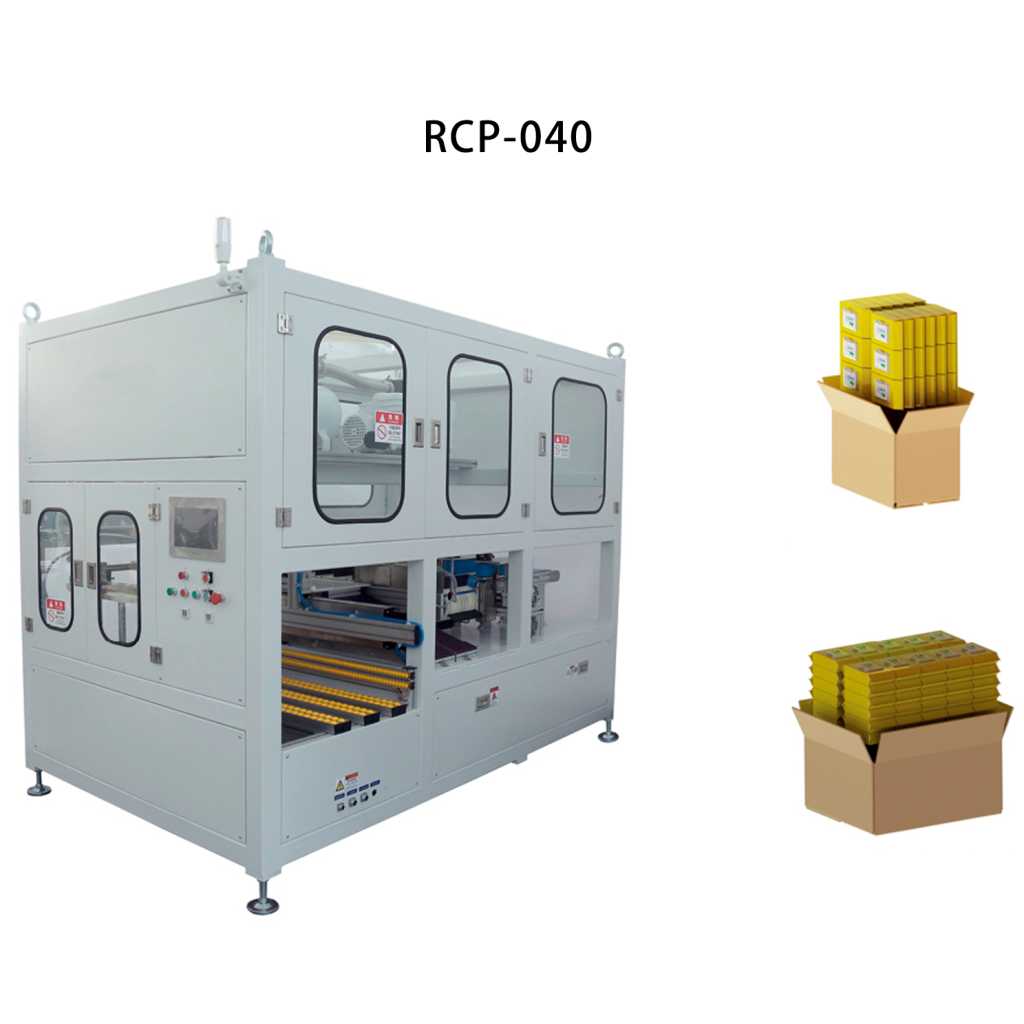
Deep Dive: Why Traditional Capping Machines Miss the Mark
When I dig into failures on the line, the first thing I look at is the machine itself — specifically the capping machine. Too often these units were designed for one product profile and then shoehorned into many. That creates stress on the feeder, the pick-and-place head, and the seal point. From my perspective, the common technical faults are simple: fixed tooling where adjustability is needed, weak feedback loops, and control systems that lack adequate sensors. I’ve repaired lines where a single mis-set torque sensor or a lazy PLC routine caused a cascade of rejects. You can replace parts, sure, but unless you address the root — mismatch between machine capability and product variability — the problem returns.
Look, it’s simpler than you think: feeders must match lid geometry; servos need responsive tuning; and vision systems have to be part of the loop, not an afterthought. In one plant I advised, swapping to a servo-driven feed and adding a basic vision check cut misapplied lids by over 60% in under a week. We also trained operators to read simple diagnostics from the HMI and do quick changeovers (manuals are fine, but I prefer short checklists). The takeaway: traditional machines often assume ideal input. Reality is messy. You need adaptability — and that usually means better sensors, modular tooling, and honest operator training.
What’s the single biggest hidden pain?
Most of us miss variation. Small tolerances in lid wall height or container neck diameter are invisible until they break the cycle. That variance becomes the silent killer of throughput.
Looking Ahead: Principles for Better Lid Application
I’m bullish on solutions that blend smart mechanics with sensible controls. For new installs, I advise focusing on three principles: modular tooling, adaptive control, and integrated vision. The capping machine you pick should allow quick swaps of grippers and mandrels, support closed-loop feedback from torque sensors or encoders, and offer optional vision checks at the pick-up point. These are not buzzwords; they change how downtime behaves. When I design a line layout, I consider conveyor belts speed, HMI ergonomics, and spare parts access. Small choices up front save a week of lost production later — funny how that works, right?
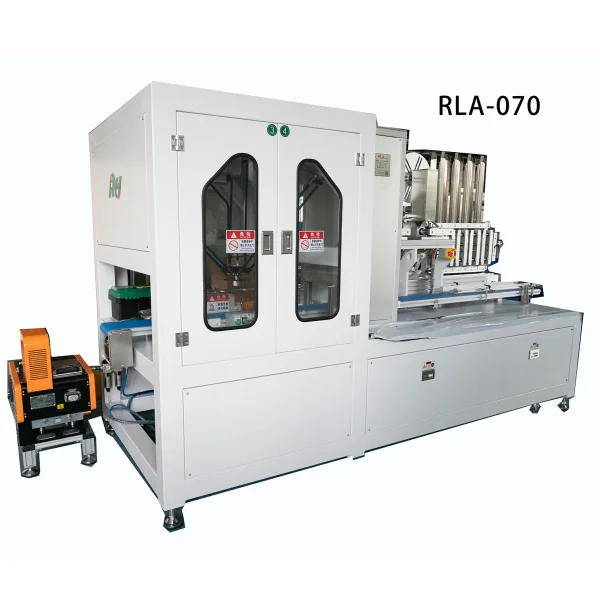
Putting these principles into practice means realistic testing. Run at full speed with worst-case parts. Watch for micro-stalls, check cycle-to-cycle variance, and record error codes. I prefer semi-formal acceptance tests that include an operator-run scenario and a maintenance checklist. This is where edge cases show up: sticky caps, static cling, and wobble in the pick-and-place head. Address them early. If you plan upgrades, prioritize vision system placement and servo tuning capability — those give you the most leverage for future products.
Real-world guidance — three metrics I use
When you evaluate systems, I recommend scoring each candidate on three metrics: mean time between stoppages (MTBS), changeover time under realistic conditions, and percentage of rejects after full-speed trials. Rate each from 1–10 and use the total to compare options. I’ll be blunt: specs on paper rarely match shop-floor reality. So insist on live trials or at least video demos with your lids and containers. In the end, the right blend of mechanical flexibility, control intelligence (PLC and servo integration), and operator-friendly design wins more than raw speed.
We’ve covered common failures, hidden pains, and the practical principles that help. I’ve laid out what to look for and how to test it — and I speak from hands-on fixes, not theory. If you want a straightforward baseline: aim for modular tooling, closed-loop sensing, and a vision-enabled pick point. Use the three metrics I mentioned to make a clear decision. For more equipment options and real-world machines I trust, check ZLINK — they often have configurable solutions that align with these principles.