Cast iron valves play a crucial role in many piping systems, especially in water distribution, wastewater handling, and general industrial utility networks. While cast iron offers strength and cost effectiveness, it is susceptible to corrosion when exposed to moisture and certain environments over time. Effective corrosion protection measures help preserve operational reliability and extend the useful life of these components.
Understanding Corrosion in Cast Iron Valves
Cast iron can react with water and oxygen to form rust, which gradually degrades the metal. This is why valves installed underground or in damp settings are especially at risk. Without protective measures, corrosion may weaken valve bodies and internal components, increasing the potential for leaks and service disruptions.
Surface coatings act as a barrier between the cast iron and corrosive elements, protecting both internal and external surfaces. Epoxy and powder coatings are common options. A quality powder coat can offer enhanced resistance to moisture penetration and abrasion compared with some traditional coatings, potentially improving durability in water systems.
Coating Solutions Applied to LESSO Cast Iron Valves
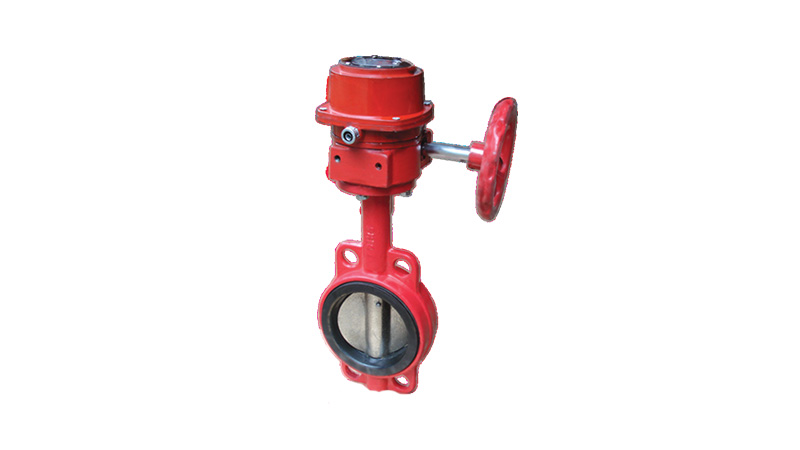
When LESSO company manufactures cast iron valves, such as gate valves and check valves, protective coatings are typically integrated into the production process. For example, some valves feature non-toxic epoxy resin linings on both internal and external surfaces to help reduce rust and contamination. This helps maintain the integrity of the valve in potable water and sewage systems.
Selecting the right coating depends on the operating environment and the media flowing through the valve. Powder coatings, for example, are solvent-free and offer good resistance to aging and chemicals, making them suitable for many municipal water systems.
Maintenance Practices to Complement Coatings
Regular upkeep reinforces corrosion protection. This can include periodic visual inspections, cleaning to remove buildup, and checking for early signs of deterioration. Prompt repairs to damaged coatings help prevent moisture from reaching bare metal.
When valves operate in aggressive environments, additional methods such as cathodic protection can also be considered. This technique uses sacrificial materials to preferentially corrode, reducing wear on the valve itself.
Conclusion
Proper corrosion protection combines thoughtful surface coatings with ongoing maintenance. For cast iron valves from LESSO company, applying suitable coatings like epoxy and powder finishes and monitoring valve condition over time can significantly enhance long-term performance. By protecting both the exterior and interior surfaces of valves, project teams can ensure dependable service in waterworks, treatment systems, and industrial applications.