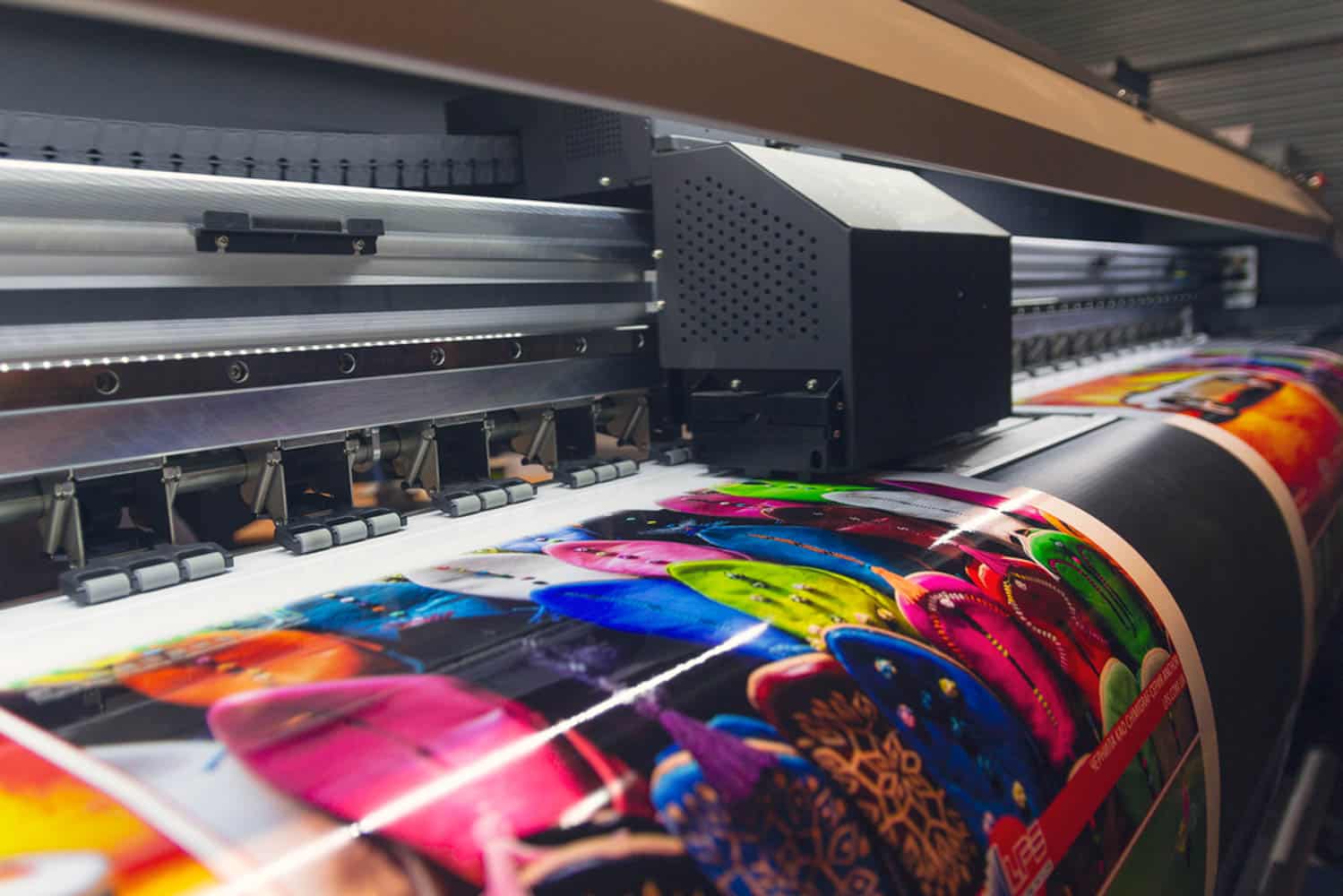
As the demand for sustainable practices grows across all industries, the printing sector is undergoing a transformation to meet environmental standards. Traditional printing methods, particularly those involving offset printing and large-scale production, have long been criticized for their environmental impact—due to waste generation impresión sostenible, high energy consumption, and the use of hazardous chemicals. However, digital printing is emerging as a leader in the sustainability movement, offering eco-friendly alternatives that align with the growing focus on reducing carbon footprints and conserving natural resources. In this article, we explore how digital printing is at the forefront of eco-friendly printing solutions.
- Reduced Waste and On-Demand Printing
One of the primary environmental advantages of digital printing is its ability to significantly reduce waste. Traditional printing methods, like offset, often require high minimum order quantities and involve complex setup processes, resulting in excess prints and leftover materials. In contrast, digital printing operates on a just-in-time basis, enabling on-demand production of only the quantities needed. This reduces both overproduction and waste. Furthermore, digital printing eliminates the need for printing plates, which generate waste and consume materials in traditional methods. By minimizing excess inventory and wasted materials, digital printing lowers the environmental burden and helps companies achieve more efficient production cycles.
- Energy Efficiency and Resource Conservation
Digital printing is more energy-efficient than traditional printing methods, mainly due to its streamlined workflow and lack of setup requirements. Traditional printing often involves pre-press steps like plate creation, test runs, and lengthy machine setups, all of which consume significant energy. Digital printing bypasses these processes, directly transferring digital files to the printer, which conserves energy. Additionally, digital printers use advanced technology to optimize ink usage, reducing the amount of ink required for each print. Some digital printers even offer eco-friendly modes that further reduce energy consumption, making digital printing a more sustainable choice for companies looking to cut down on power usage.
- Environmentally friendly Inks and Materials
The use of eco-friendly inks and recyclable materials is another way in which digital printing is leading the sustainability movement. Unlike traditional printing, which often relies on solvent-based inks that release volatile organic compounds (VOCs) into the atmosphere, digital printing offers a range of eco-conscious alternatives. Water-based inks, soy-based inks, and UV-curable inks are becoming more prevalent in digital printing, all of which reduce harmful emissions and lower environmental impact. Additionally, many digital printers are compatible with recycled paper and biodegradable materials, allowing businesses to further minimize their environmental footprint. As demand for green printing solutions rises, digital printing is continuing to innovate in the realm of sustainable materials.
- Minimized Chemical Usage and Safer Processes
Traditional printing often requires the use of chemicals for cleaning plates, developing images, and fixing ink, many of which are harmful to both the environment and human health. In digital printing, these chemical-intensive processes are largely eliminated. Digital presses don’t require hazardous solvents or fixers, significantly reducing chemical waste. Moreover, the automated and digital nature of the process means that there’s less exposure to toxic substances, both in production and post-production stages. This not only benefits the environment but also ensures a safer workplace for employees, aligning with broader health and safety initiatives in the industry.
- Customization and Localized Production to reduce Carbon Footprint
One of the more unique eco-friendly aspects of digital printing is its capability for customization and localized production. In traditional printing, large quantities are often printed in centralized locations and then shipped to various destinations, contributing to increased transportation emissions. Digital printing allows for smaller, more customized print runs, enabling businesses to localize their production and reduce shipping distances. For instance, print-on-demand services enable local production facilities to fulfill orders, cutting down on the carbon emissions associated with transporting goods over long distances. Additionally, the ability to print custom products on demand reduces the need for mass production, helping to combat the wasteful practice of overprinting.
Conclusion
Digital printing has emerged as a key player in the sustainability movement, offering eco-friendly solutions that address the environmental challenges associated with traditional printing. With its reduced waste, energy efficiency, eco-conscious materials, minimized chemical usage, and ability to localize production, digital printing is paving the way for more sustainable practices across industries. As businesses increasingly adopt environmentally responsible strategies, digital printing’s role in reducing environmental impact will continue to grow. By leveraging these sustainable practices, companies can meet both their operational needs and their commitment to a greener future.