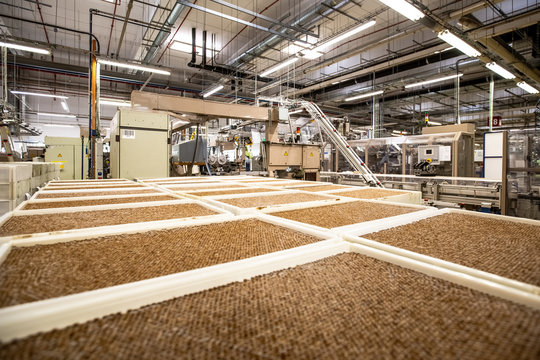
In the industrial heart of South Bristol once stood a building that fueled a global habit—cigarette smoking. The Tobacco Factory, originally part of the W. D. & H. O. Wills enterprise, was a crucial component of Britain’s tobacco production in the 20th century. For decades, the massive red-brick structure echoed with the sounds of Pabrik Tembakau Rajangan machines, workers, and the steady rhythm of industrial life. It was a place where millions of cigarettes were produced, boxed, and shipped across the world, embodying an era when manufacturing was king and the health risks of smoking were barely understood.
The Tobacco Factory wasn’t just a workplace—it was a lifeline for the local economy. It provided stable employment for thousands and became deeply woven into the fabric of community life. Generations of South Bristol families worked there, and the factory shaped both the skyline and social structure of the area. But by the 1980s, growing health awareness, new regulations, and the shifting economy brought tobacco production to a slow halt. The building, once a symbol of productivity, stood empty—neglected, decaying, and seemingly destined for demolition.
That narrative changed dramatically in the mid-1990s when architect George Ferguson acquired the abandoned structure. Rather than erase its industrial past, Ferguson embraced it. His vision was rooted in adaptive reuse—preserving the building’s historical identity while repurposing it for creative, cultural, and community-focused uses. It was a bold idea at a time when many old industrial buildings were being flattened to make way for generic modern development. What followed was a careful transformation, not just of bricks and mortar, but of purpose and identity.
One of the most striking outcomes of this transformation is the Tobacco Factory Theatre, a thriving space for independent and experimental performance. Where conveyor belts and cigarette machines once sat, there are now spotlights, actors, and enthusiastic audiences. The theatre has become a launching pad for new talent and a vital part of Bristol’s arts scene. Surrounding the theatre, the building now also hosts a mix of businesses, studios, a café-bar, and community markets, breathing constant life and energy into the space.
What makes this transformation truly remarkable is its authenticity. The Tobacco Factory wasn’t gutted and modernized beyond recognition—it was reshaped with respect. Its high ceilings, factory windows, and steel beams remain intact, offering visitors a strong sense of place and history. Yet those same elements now provide a dramatic backdrop for theatre performances, business meetings, social gatherings, and creative workshops. It’s a space where industrial grit meets artistic imagination—a rare balance that few redevelopments achieve.
The journey from cigarettes to stage lights is more than a metaphor—it’s a celebration of reinvention. The Tobacco Factory’s story shows how a building once defined by smoke and labor can be reborn as a center of light, creativity, and community. It proves that even the most unlikely spaces can find new life when guided by vision, care, and a belief in the power of transformation. In doing so, it has become not just a venue, but a symbol of Bristol’s dynamic cultural revival.