In the pursuit of mindfulness and meditation, creating an environment that fosters focus, tranquility, and self-awareness is key. One effective way to enhance this incense environment is through the use of incense. For centuries, incense has been utilized in various spiritual practices to elevate the experience of meditation, promote deeper mindfulness, and create a sacred space for reflection. The aromatic smoke from incense does more than just fill the air with fragrance—it has the power to soothe the mind, calm the senses, and support emotional balance. In this article, we explore how incense can enhance your meditation and mindfulness practice, providing a sensory pathway to inner peace.
One of the primary ways incense contributes to meditation is by creating a calming atmosphere. Certain scents, like lavender, sandalwood, and frankincense, have long been used to reduce stress, ease anxiety, and promote relaxation. These fragrances help set the tone for a successful meditation session by signaling to the mind and body that it’s time to slow down and focus. The subtle, steady burn of incense creates a peaceful environment where distractions are minimized, allowing you to focus on your breath, thoughts, and inner stillness. For beginners, lighting incense before meditation can serve as a ritualistic cue to signal the beginning of a mindful practice, helping the mind transition from a busy, chaotic state to one of calm awareness.
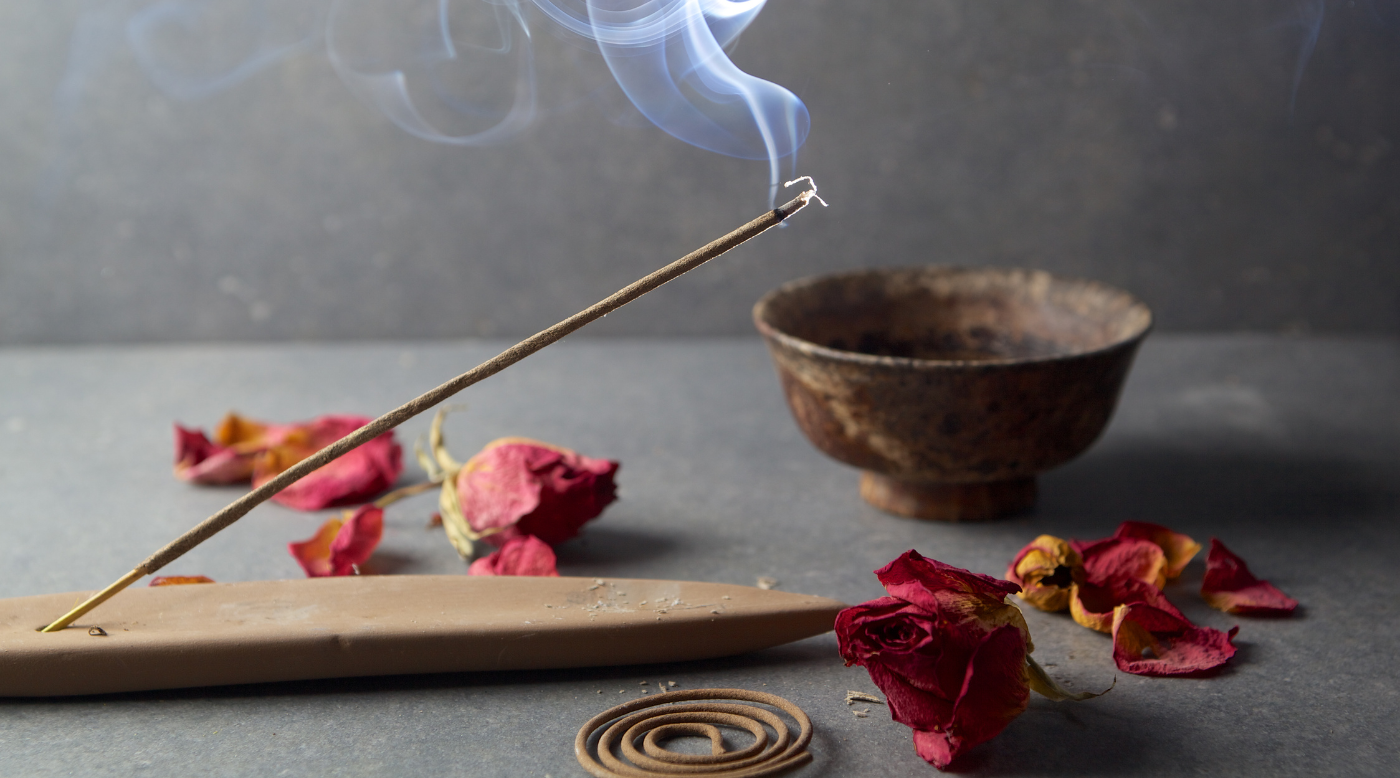
The act of burning incense can also enhance the focus of your meditation by giving your mind something to latch onto. The gentle, flowing smoke and the distinctive aroma can provide a tactile focal point for concentration. As you breathe in the scent, it can anchor your thoughts, helping you stay present in the moment. The slow rise of smoke from the incense stick can be used as a visual anchor, guiding your attention and giving you something to focus on during your meditation. This process helps deepen your connection to the present moment and can prevent your mind from wandering, which is a common challenge during meditation.
In addition to aiding focus, incense plays a role in creating an emotionally supportive environment for mindfulness practice. Some scents, such as jasmine and rose, are known to uplift the spirit and promote a sense of happiness and positivity. When incorporated into meditation, these fragrances help cultivate a mindset of gratitude, joy, and openness, all of which are central to mindfulness. Other scents, like sandalwood and cedarwood, are grounding and stabilizing, making them ideal for practices that require deep concentration or those that aim to release negative emotions. The emotional effects of these aromas can complement your meditation goals, whether you’re seeking emotional healing, stress relief, or a sense of spiritual clarity.
Aromatic rituals have also been shown to promote the release of negative energy and enhance spiritual connection. In many cultures, incense is used in sacred ceremonies to purify spaces and create an atmosphere conducive to spiritual growth. By incorporating incense into your personal meditation or mindfulness rituals, you create a space that is not only physically calming but spiritually enriching. For example, burning frankincense or myrrh during meditation can help create a sacred space where you feel more connected to your higher self, or to the universe. The scent acts as a subtle reminder of the sacredness of the moment, reinforcing the intention behind your practice.
The act of lighting and burning incense can itself become a meditative ritual. The process of selecting the incense, lighting it, and observing the smoke rising can help you ground yourself before diving into meditation. The ritualistic aspect of incense burning encourages mindfulness in itself. By paying attention to the scent, the movement of the smoke, and the atmosphere you’re creating, you’re already engaging in a form of mindfulness before the actual meditation begins. This practice can serve as a gentle introduction to deeper meditation, setting the stage for a more profound connection to the present moment.
In conclusion, incense serves as a powerful tool for enhancing meditation and mindfulness practices. Its ability to create a peaceful, soothing environment, promote focus, and support emotional balance makes it an ideal companion for those seeking to deepen their practice. Whether you’re using incense to mark the beginning of your meditation, create a sacred space, or simply enhance your sensory experience, its role in mindfulness rituals cannot be overstated. By integrating incense into your practice, you invite a deeper level of awareness, tranquility, and spiritual connection, fostering an environment where mindfulness can truly flourish.