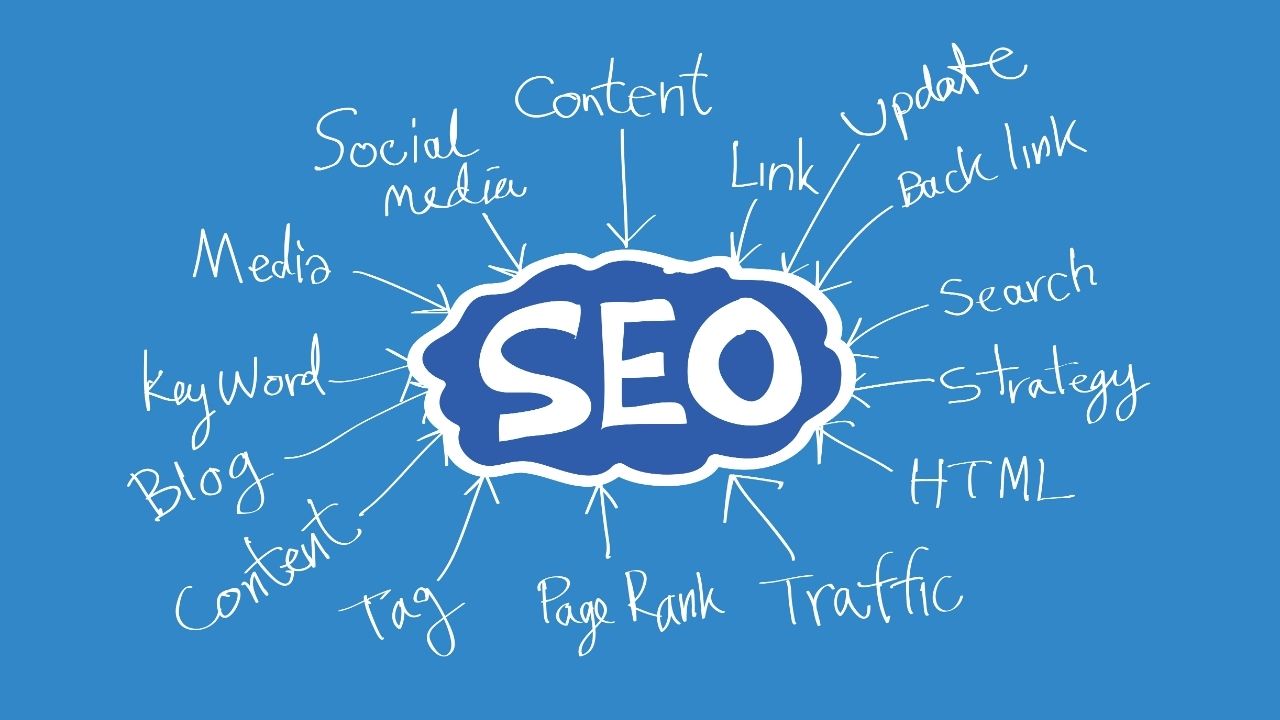
In the world of digital marketing, businesses are often faced with the decision of whether to invest in SEO (Search Engine Optimization) or SEM (Search seo Engine Marketing) to improve their online visibility. Both strategies aim to drive traffic to websites through search engines like Google, but they work in fundamentally different ways. Understanding the key differences between SEO and SEM is essential for making an informed decision about which strategy best suits your business goals. In this article, we’ll explore the differences between SEO and SEM, how they work, and which one might be the better choice for your business.
1. What is SEO?
SEO, or Search Engine Optimization, refers to the process of optimizing a website to rank higher in search engine results pages (SERPs) organically, meaning without paying for ads. SEO involves various strategies, such as keyword optimization, creating quality content, improving website speed, and obtaining backlinks, all aimed at enhancing a site’s authority and relevance. The goal is to appear as the most relevant result for a given search query, increasing the likelihood of attracting organic traffic.
SEO is often considered a long-term strategy. It takes time to see results, as search engines like Google use complex algorithms to evaluate and rank content. However, once your website ranks well, the benefits are sustainable, and you can continue to gain traffic without ongoing costs.
2. What is SEM?
SEM, or Search Engine Marketing, is a broader digital marketing strategy that includes both paid search ads and SEO efforts. When most people refer to SEM, they are specifically talking about paid search advertising, such as Google Ads. SEM allows businesses to bid on keywords so their ads appear at the top of search results for specific queries. These ads are typically labeled as “sponsored” or “ad” to distinguish them from organic results.
Unlike SEO, SEM delivers immediate results because the ads are activated as soon as your campaign goes live. With SEM, businesses pay for every click (PPC) their ads receive, meaning the strategy requires a budget to continually generate traffic. While SEM can produce faster traffic, it does not offer the long-term sustainability of organic traffic like SEO.
3. Key Differences Between SEO and SEM
The main differences between SEO and SEM lie in the methods they use and the costs involved:
- Cost Structure: SEO is typically cost-free except for the time and resources required to implement strategies. Once optimized, content can generate traffic without ongoing payments. In contrast, SEM requires ongoing payment, as businesses pay for every click or impression their ads receive.
- Time to See Results: SEO is a slow and steady process. It can take months to see noticeable improvements in rankings and traffic. On the other hand, SEM delivers immediate results as soon as your ads go live.
- Longevity: SEO has long-term benefits. Once you achieve a high ranking for specific keywords, you can continue to attract organic traffic without additional costs. With SEM, traffic stops immediately once the ads are paused or the budget is exhausted.
- Traffic Source: SEO relies on organic traffic, meaning users find your site through natural search results. SEM, however, brings traffic through paid ads at the top of the SERP.
4. When to Choose SEO for Your Business
SEO is the best option if you want long-term, sustainable traffic and have the patience and resources to invest in the optimization process. For businesses with a long-term vision and a focus on content marketing, SEO is ideal. It is also a cost-effective strategy over time, as once you rank highly for relevant keywords, you can maintain your position without needing to continue paying for ads.
SEO is particularly valuable for businesses that can produce high-quality, evergreen content that answers the needs of their audience. It is also a great strategy for businesses in competitive industries that want to build a strong brand presence and authority in their field. Moreover, SEO tends to offer higher ROI over time, especially if you’re targeting less competitive, niche keywords.
5. When to Choose SEM for Your Business
SEM is a better option for businesses that need immediate traffic and can afford to pay for it. If you are launching a new product or service, running a time-sensitive campaign, or targeting highly competitive keywords, SEM can help you get noticed quickly. SEM is also effective for businesses that have a clear budget for paid advertising and want to appear at the top of search results for specific queries.
For local businesses, SEM can help target users in a specific geographical area and drive immediate foot traffic to physical stores. Additionally, if your business operates in a competitive market where SEO ranking is hard to achieve, SEM can provide the visibility you need to compete.
6. SEO and SEM: Can They Work Together?
While SEO and SEM are distinct strategies, they can complement each other and work together for a more holistic digital marketing approach. By combining both methods, you can maximize your online visibility. For example, SEM can provide immediate traffic while you work on improving your SEO rankings in the long term. If your SEM ads are performing well, you can gather valuable insights into which keywords are driving traffic, which can inform your SEO strategy.
Additionally, running SEM ads while you’re focusing on SEO can help you test keywords, refine your messaging, and improve your content strategy. By combining both strategies, you can reach users at various stages of their search journey—those who are ready to convert immediately through paid ads and those who prefer organic results.
Conclusion
The decision to invest in SEO, SEM, or both depends on your business goals, budget, and timeline. SEO is the best choice for businesses looking for sustainable, long-term traffic and are willing to invest in a solid content strategy. SEM, on the other hand, is ideal for businesses seeking immediate traffic, running time-sensitive promotions, or targeting competitive keywords. Ideally, combining both strategies can lead to a more comprehensive approach that provides both short-term visibility and long-term results. By understanding the differences between SEO and SEM and how they align with your business needs, you can make a more informed decision about which strategy will help you achieve your digital marketing goals.