Introduction: A Morning Rush, a Small Tube, and a Big Question
Here is a scene we all know: eyes half-open, a quick swipe before a long day, and the line skips. In my kit, an eyeliner tube sits like a tiny tool with a big job. Our test group logged 60 days of use across multiple brands, and almost half reported drying, clumping, or a weak seal by week six—small parts, big effects (no surprise). So, if the outside looks the same, why do two similar tubes perform so differently on the inside? The reasons are not loud, but they are clear: wiper design, cap torque, and internal finish change how the formula lasts. That is where the comparison starts, not at the shelf color or the cap shine. And yes, the way you store it matters, but design choices matter more. Are we judging the right things, or just the easy things at first glance? Let us walk through what actually drives performance and what you can check—without a lab coat. Next, we look at the quiet flaws that most users feel but do not name.
Part 2: The Overlooked Flaws Users Feel First
Why does the last 10% always dry out?
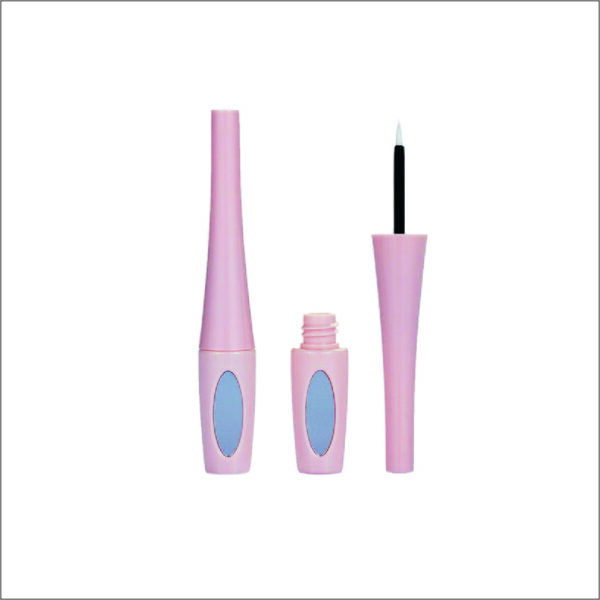
In many cases, the issue is not the ink; it is the container. The empty eyeliner tube you choose controls airflow, residue, and how each dip coats the tip. The wiper insert can be too tight or too soft. Too tight, and it scrapes off excess and air—good at first. But it also shears the formula, raising friction and causing early dry-down at low fill levels—funny how that works, right? Too soft, and it floods; your line feathers. Add poor cap torque control, and micro-leaks start. This is why two tubes with the same ink give you different lines by week four. Look, it’s simpler than you think: match the wiper to the applicator geometry and the formula’s fill viscosity, and the tube stops fighting your hand.
Another hidden pain point is material pairing. Anodized aluminum looks premium, but the inner finish may not love a high-pigment load. PP resin bodies resist impact, yet need a tight neck spec for the seal to hold. Users call it “dry” or “messy,” but the root is design tolerance. A small change in stem diameter or inner shoulder angle shifts how the brush re-wets. Once the surface goes semi-dry, you press harder, the line widens, and control drops. That “why is today worse than last week?” feeling is not you; it is a tolerance stack-up. When the tube is emptying, the geometry matters more than the formula label.
Part 3: Forward-Looking Design That Solves Real Use
What’s Next
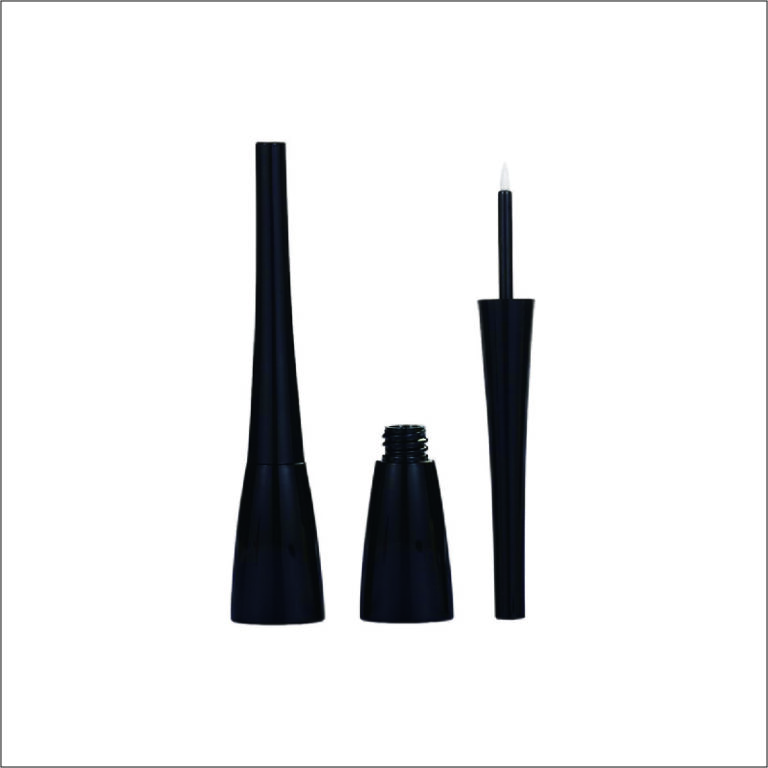
Now, let’s step into what is changing. New wiper architectures use micro-venting and soft-durometer blends to balance seal and glide, so re-wetting stays steady even near end-of-life. Internal coatings with low surface energy reduce pigment stick-back, which means less scraping and fewer clumps on the stem. Think of it like flow control—small channels, predictable return—without adding bulk. Compared side by side with a legacy build, a next-gen unit keeps line width more stable across 200+ strokes. When you see the term “controlled cap torque,” it is not marketing; it is a measured range that keeps oxygen ingress low over time—and that matters.
Real-world, these principles also apply to a liquid eyeliner tub, where the brush or felt tip demands consistent wetting. Match the wiper elasticity to the tip density, keep neck tolerances tight, and protect the seal face from warp. You will notice fewer skips, less feathering, and better line repeatability. To choose well, use three clear metrics: first, sealing performance (leak tests and cap torque retention); second, flow stability across the last 20% of fill (track stroke-to-stroke consistency); third, material compatibility over time (check pigment adhesion and swelling). Evaluate those, and brand shine follows—no guesswork, no drama. If your current tube fails on any one of these, it will show up in your morning line sooner than you think—strange but true. For thoughtful builds and reliable specs, see how partners document these numbers, like NAVI Packaging.