Cardiopulmonary Resuscitation (CPR) is a vital emergency procedure used to restore breathing and circulation in individuals who have stopped breathing or whose hearts have stopped beating. Mastering CPR techniques and understanding best practices are essential for providing effective life-saving care during a cardiac arrest. This CPR Trainer article explores the key techniques of CPR, the importance of proper execution, and best practices to ensure that CPR is administered effectively.
The basics of CPR
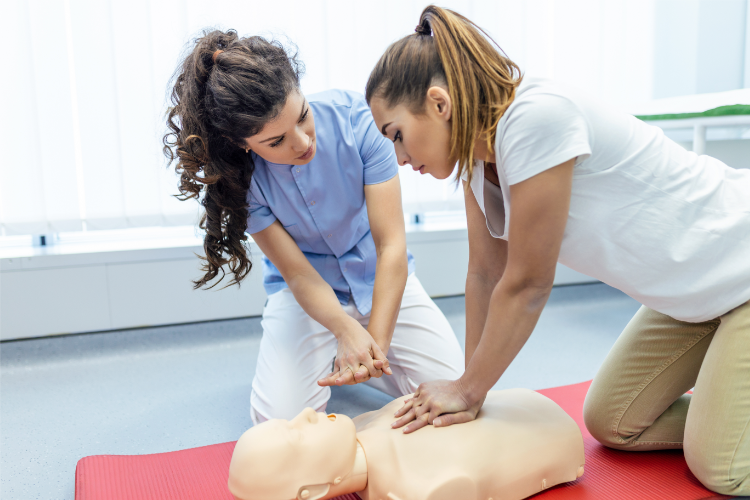
CPR involves two fundamental techniques: chest compressions and rescue breaths. Chest compressions help maintain blood flow to vital organs by manually pumping the heart. To perform chest compressions, place your hands, one on top of the other, on the center of the victim’s chest, and push down hard and fast at a rate of 100 to 120 compressions per minute. Each compression should be about 2 inches deep. Rescue breaths involve giving two breaths after every 30 compressions, using a mask or barrier device if available. These breaths should be delivered gently, with just enough air to make the chest rise. Understanding and practicing these techniques ensure that they are performed effectively in an emergency.
Hands-Only CPR
Recent guidelines emphasize the effectiveness of hands-only CPR, especially for bystanders who may not be trained in providing rescue breaths. Hands-only CPR involves performing chest compressions without rescue breaths. This method has been shown to be as effective as traditional CPR in cases of adult cardiac arrest, and it simplifies the procedure for those who may be hesitant to give rescue breaths. By focusing solely on compressions, laypersons can provide critical assistance until professional help arrives, increasing the chances of survival for the victim.
Performing CPR on Different Age groups
CPR techniques vary slightly depending on the age of the victim. For infants (under 1 year old), use two fingers to perform chest compressions at a depth of about 1. 5 inches and deliver gentle breaths using a small volume of air. For children (1 year to puberty), use one or two hands for compressions, depending on the child’s size, with a depth of about 2 inches. For adults, follow the standard technique of using both hands with a depth of about 2 inches. Tailoring your approach based on the victim’s age and size ensures that the CPR is delivered effectively and safely.
The Role of Automated External Defibrillators (AEDs)
An Automated External Defibrillator (AED) is a crucial tool in cardiac emergencies. AEDs are portable devices that analyze the heart’s rhythm and, if necessary, deliver an electric shock to restore a normal heartbeat. Many public places and workplaces are equipped with AEDs, and training often includes instructions on how to use them. The integration of AED use with CPR can significantly improve the chances of survival for cardiac arrest victims. When using an AED, follow the device’s prompts and continue CPR as directed until emergency responders arrive.
Common Mistakes to avoid
Effective CPR requires correct technique and adherence to best practices. Common mistakes include inadequate depth or rate of compressions, improper hand placement, and ineffective rescue breaths. Avoid shallow or slow compressions, which may not generate sufficient blood flow. Ensure that your hands are positioned correctly on the chest and that each compression is full and complete. If providing rescue breaths, make sure they are delivered effectively by watching for chest rise. Avoid distractions and maintain focus to provide continuous, high-quality CPR until professional help arrives.
Ongoing Training and Practice
CPR skills can diminish over time, so regular training and practice are essential. Certification courses typically last for two years, after which a refresher course is recommended to stay current with the latest guidelines and techniques. Many organizations offer practice sessions and updates on new CPR standards. Regular practice helps maintain muscle memory and confidence, ensuring that you are prepared to act effectively in an emergency. Staying informed and practicing CPR techniques helps ensure that you are ready to provide life-saving care when it matters most.
Conclusion
Understanding and mastering CPR techniques are crucial for responding effectively to cardiac emergencies. By performing chest compressions and rescue breaths correctly, using AEDs as needed, and avoiding common mistakes, individuals can provide critical life-saving assistance. Ongoing training and practice are essential to maintaining proficiency and staying updated with best practices. Whether you are a trained professional or a concerned bystander, your ability to perform CPR can make a significant difference in an emergency, potentially saving lives and improving outcomes for cardiac arrest victims.