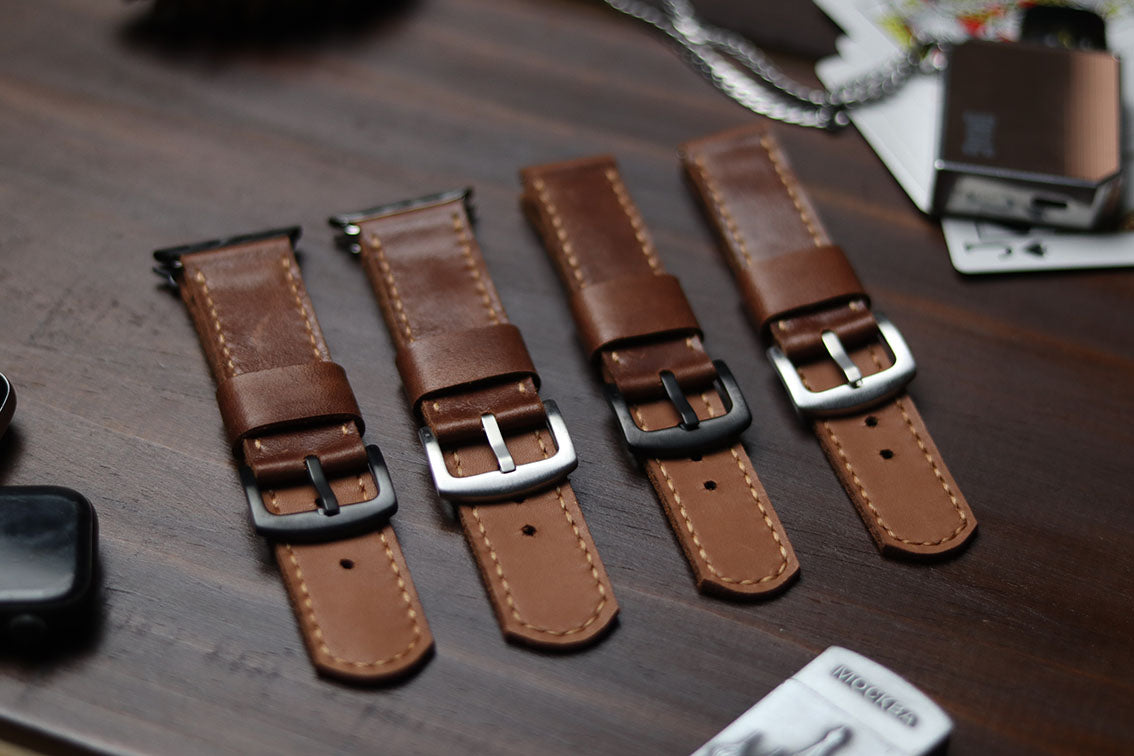
A watch strap is one of the most vital components of any timepiece. It’s not only responsible for securing the watch on your wrist but also plays a significant role in defining the overall style and comfort of the watch. Over the years, watch straps have evolved watch straps from simple leather bands to a wide variety of materials, each offering its own set of benefits. Understanding the different types of straps available can help individuals select the one that best suits their needs, whether for functionality, comfort, or aesthetic preference.
Leather straps are among the oldest and most classic types of watch bands. Leather is often associated with luxury and elegance, with high-end leather types such as calfskin, alligator, and ostrich being commonly used in premium watches. Leather straps are favored for their timeless appeal and soft texture, which makes them highly comfortable to wear. As leather ages, it develops a unique patina, adding character and depth to the strap. However, leather straps do require some maintenance. Exposure to water, sweat, and prolonged sunlight can cause the material to crack or fade. Regular conditioning helps preserve the leather’s soft texture and prevent it from drying out. Leather is also less suitable for active individuals or those who live in very humid or wet environments since it is vulnerable to damage from moisture.
In contrast, metal watch straps, most commonly made from stainless steel, are a symbol of durability and a more modern aesthetic. Stainless steel bracelets are often found on both luxury and sports watches, and they offer resistance to rust, corrosion, and scratching, which makes them ideal for daily wear. These straps are known for their robust, sleek look and their ability to endure the rigors of daily life. Many stainless steel bracelets feature removable links, allowing the wearer to adjust the size of the strap for a more tailored fit. Metal straps come in various finishes, including polished, brushed, and matte, which can drastically change the look of the watch. For example, a brushed metal strap might suit a more understated, casual look, while a polished finish adds a touch of elegance. Despite their durability, metal straps can sometimes be less comfortable than leather or fabric alternatives, especially in warmer weather. They may trap heat and cause discomfort or sweating on the wrist, particularly if the strap is tight.
Rubber straps have gained popularity in recent years due to their versatility and functionality, especially for sports and dive watches. Rubber is a highly flexible and durable material that provides excellent comfort, as it molds to the shape of the wrist. It is waterproof, lightweight, and resistant to dirt, making it an ideal choice for individuals who engage in water-based activities or physical exercise. Unlike leather, rubber straps do not absorb moisture and are easy to clean after exposure to water or sweat. Rubber bands also come in a variety of colors, allowing for customization of the watch’s appearance. However, while rubber straps are great for casual and sports settings, they may not have the same high-end appeal as leather or metal straps, which limits their use in formal settings. They are typically used in watches that are designed for durability and practicality rather than luxury.
Fabric straps, such as those made from nylon or canvas, offer another alternative, particularly for those seeking a more casual, lightweight, and breathable option. These straps are often associated with military, tactical, and field watches, and they provide a rugged and utilitarian look. Fabric straps are highly adjustable, which allows for easy customization of the fit. Nylon straps are especially known for their strength, flexibility, and resistance to wear and tear, making them an excellent choice for active individuals. Moreover, fabric straps are easy to clean and typically dry quickly when exposed to water. Many fabric straps feature interesting designs and patterns, such as camouflage or stripes, which make them a great way to express personal style. However, they may not be as durable or luxurious as other materials like leather or metal, making them more appropriate for casual wear or specific settings.
In addition to material, the type of closure is an important consideration when choosing a watch strap. The most common types of closures are buckles, clasps, and deployant clasps. Buckles are the most traditional and are often used with leather or fabric straps. A buckle works by using a pin that fits into a series of holes in the strap, allowing for easy adjustment of the length. While buckles are simple and reliable, they can sometimes be less secure, especially for more active wearers. Metal straps often feature clasps, which fold over the strap and lock into place. Clasps tend to be more secure and provide a sleeker, more seamless look than buckles. Some clasps feature a push-button release system, making them easy to open and close without needing to adjust the strap constantly.
For high-end or luxury watches, deployant clasps are commonly used. These clasps are more complex but offer a more secure and refined closure. They operate through a folding mechanism that ensures the strap stays securely in place while providing extra comfort and convenience. Deployant clasps are especially desirable for those who want to ensure that their watch remains secure without having to adjust it throughout the day.
When selecting a strap, the lug width is another critical factor to consider. Lug width is the distance between the two points on the watch case where the strap attaches, and it is typically measured in millimeters. Choosing a strap with the correct lug width ensures that the strap fits securely on the watch, preventing it from loosening or slipping. Additionally, strap length is another consideration, particularly for individuals with larger or smaller wrists. Many straps are adjustable, offering different lengths or a series of holes to help achieve the perfect fit.
Swapping out straps can also be a fun way to customize a watch, offering a new look without buying a completely new timepiece. A simple change of strap can turn a formal watch into a more casual one or add a pop of color to a previously understated piece. Many watch enthusiasts enjoy the ability to experiment with different straps to suit varying occasions, seasons, or moods.
In conclusion, the right watch strap not only ensures that your watch fits comfortably but also defines its overall appearance and versatility. From classic leather straps to durable metal, functional rubber, and casual fabric options, the possibilities are endless. By understanding the different materials, closures, and fitting options available, individuals can select a strap that meets both their practical needs and aesthetic preferences, enhancing the functionality and longevity of their timepiece. Whether you’re looking for a strap to match your lifestyle or one to express your personal style, the perfect strap can make all the difference.